Every freelancer knows the moment: you find an invoice from six months ago, you know you could have reclaimed the VAT on it, and it is already too late. Managing receipts well is not bureaucracy. It is money that stays in your pocket.
Here is how to approach it without turning it into a full-time job. If you want the wider picture, our guide to business expense management covers the whole process, not only the VAT side.
What actually counts as a deductible expense
The simple rule: a deductible expense is one that served to produce the business's income. If you bought something in order to work, it probably belongs in your filing. Common examples for freelancers:
- Equipment and software you use for work
- Web hosting, professional subscriptions and digital tools
- Vehicle and fuel costs, at the share attributable to the business
- Advertising, promotion and marketing
Not every expense is deductible in full, and some are only partly deductible (a phone or a car in mixed use, for example). The exact rules vary by business type, so it is worth confirming with your accountant. The goal here is to avoid missing an expense altogether.
What the receipt needs to show
For a receipt to support a VAT reclaim, the right details have to appear on it. It is worth checking that every receipt you keep includes them.
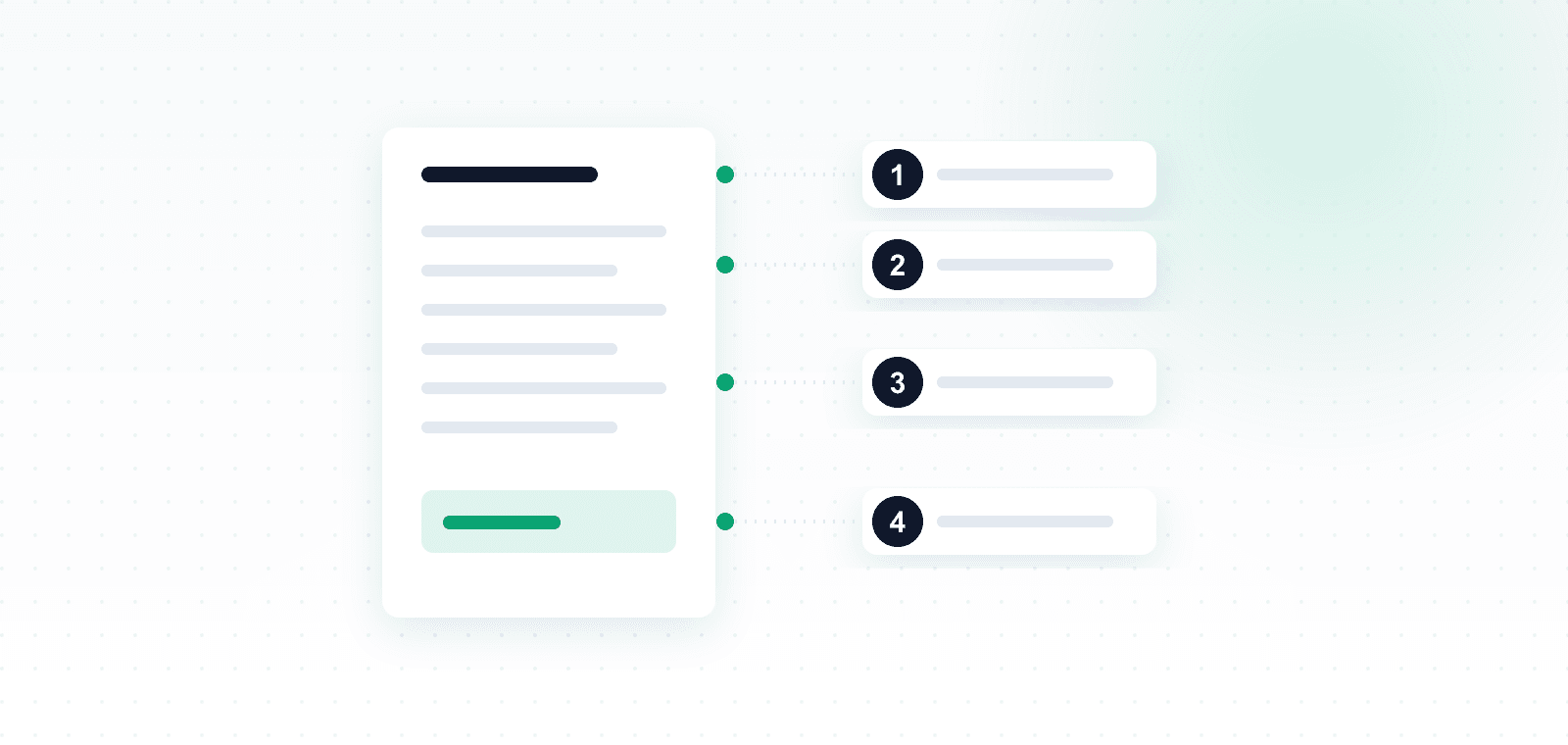
- The supplier's name and business ID number
- The date of the expense
- The total amount
- The VAT amount, listed separately
A tax invoice carrying these details is the document that allows a reclaim. A plain receipt with no business ID and no VAT breakdown will usually not be enough.
The most common mistake: collecting it all at the end
Most freelancers put off sorting receipts until the end of the period, then try to reconstruct from memory what happened months earlier. That is where expenses disappear: not because you did not pay, but because the receipt is no longer there.
The right approach is the opposite. Capture every receipt the moment it arrives, not at the end. A receipt that goes straight from your inbox or from WhatsApp into one organized place cannot go missing. That is exactly how invoice scanning and automatic collection works: the document is captured in real time instead of being reconstructed from memory months later.
A short checklist for ongoing management
- Keep every tax invoice, including small amounts
- Check that a separate VAT amount appears
- Categorize now, not at the end of the year
- Keep everything in one place you can export from easily
As the year closes, the checklist for handing everything to your accountant covers what else is worth collecting and checking before you send the material over.
In short
Managing receipts well is not a question of personal tidiness, it is a question of timing. When every receipt is captured as it arrives and categorized immediately, reclaiming VAT becomes automatic instead of a scramble. OptiPay does exactly that: it collects every invoice from your inbox and from WhatsApp, extracts the VAT amount, and keeps everything ready for your accountant.
Want to stop chasing invoices before every filing? Get started with OptiPay and let the system collect them all year. You can also review the price of expense management in the OptiPay plans.